WHO declares Ebola outbreak in Congo, Uganda global public health emergency
2 min read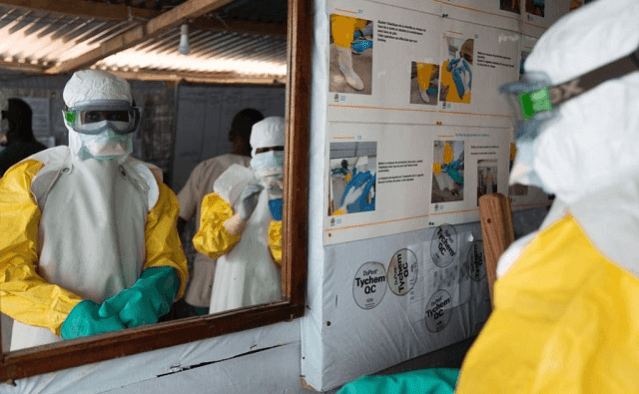

On Sunday, the World Health Organization declared that the Ebola outbreak affecting the Democratic Republic of the Congo and Uganda qualifies as a public health emergency of international concern.
The organization posted on platform X that, although the outbreak is driven by the Bundibugyo virus, it does not satisfy the definition of a pandemic emergency.
The WHO Director‑General thanked the governments of the Democratic Republic of the Congo and Uganda for their decisive actions to contain the outbreak and for their transparent risk assessments, which enable the international community to prepare appropriately.
In reaching his decision, the Director‑General weighed input from the Democratic Republic of the Congo and Uganda, scientific principles, the latest evidence, and other pertinent data, evaluating the threat to human health, the potential for cross‑border transmission, and any impact on international travel.
Earlier reports indicated hundreds of suspected cases in Ituri Province, as noted by the Africa Centres for Disease Control and Prevention and relayed by Xinhua.
The National Institute of Biomedical Research found the virus in 13 out of 20 preliminary samples, Africa CDC stated, after consulting with the DRC’s Ministry of Health and its National Public Health Institute.
Approximately 246 suspected cases and 65 fatalities have been logged, chiefly in Mongwalu and Rwampara, including four deaths among confirmed infections; suspected cases have also emerged in Bunia.
Africa CDC cautioned that the risk of further spread remains high, driven by urban congestion, population mobility, mining operations, insecurity, and the closeness to Uganda and South Sudan.
The agency announced an urgent meeting for Friday afternoon, bringing together health officials from the DRC, Uganda, and South Sudan alongside major international partners to enhance cross‑border coordination, surveillance, and response.
About Author