Zomato delivery partners’ hourly earnings up nearly 11% in 2025; founder defends gig work model
2 min read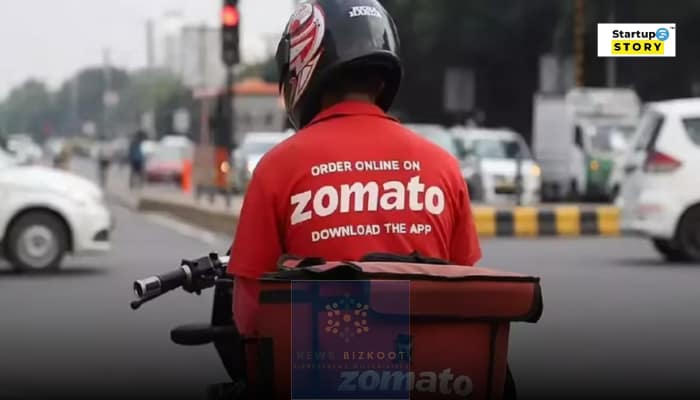
Press Release: Quick Commerce Industry Developments
January 5, 2026
Zomato’s CEO Deepinder Goyal has announced a rise in earnings for delivery partners amid growing scrutiny of gig-worker conditions. Data released by Goyal shows delivery personnel saw their average hourly pay increase by 10.9% in 2025, climbing to ₹102 per hour—up from ₹92 in 2024, excluding customer tips.
The statement followed public debate and reports of potential strikes by workers demanding improved wages and protections. On social media platform X, Goyal emphasized that the gig model prioritizes flexibility and supplemental income rather than traditional full-time employment.
Earnings and Work Flexibility
Goyal clarified that earnings calculations account for all logged-in hours, including inactive periods, to reflect realistic income. Partners working 10-hour shifts for 26 days could earn roughly ₹26,500 monthly. After factoring in fuel and maintenance costs (approximately 20%), net earnings could hover around ₹21,000.
He noted most partners worked an average of 38 days in 2025, logging around seven hours per day. Only a small fraction exceeded 250 annual workdays. Goyal reiterated that this reflects the gig economy’s voluntary nature, distinct from roles guaranteeing pensions or fixed salaries.
Safety and Support Measures
Addressing concerns about delivery-time pressures, Goyal stated partners are not timed on countdowns for services like 10-minute deliveries. Rapid fulfillment, he explained, results from strategic store proximity rather than speed mandates.
He also highlighted Zomato and Blinkit’s welfare programs, including accident insurance, medical coverage, and partner assistance—efforts framed as part of broader gig-worker safeguards.
Criticism and Broader Debate
Labor advocates have questioned Zomato’s stance, arguing the model lacks paid leave, social security, or long-term protections. A Telangana-based union called the earnings increase insufficient, stressing unresolved concerns about worker dignity.
The debate reflects wider scrutiny of India’s gig economy, with policymakers, unions, and companies weighing flexible labor models against demands for stable incomes and stronger protections. Industry observers continue monitoring how platforms balance service efficiency with worker welfare.
Image reference: [15.png] (source URL retained for context)
Note: Follow industry updates for further developments.


