Delivery On Time: From Lockdown-Era Grocery Deliveries to a Fast-Growing EV Logistics Network
3 min read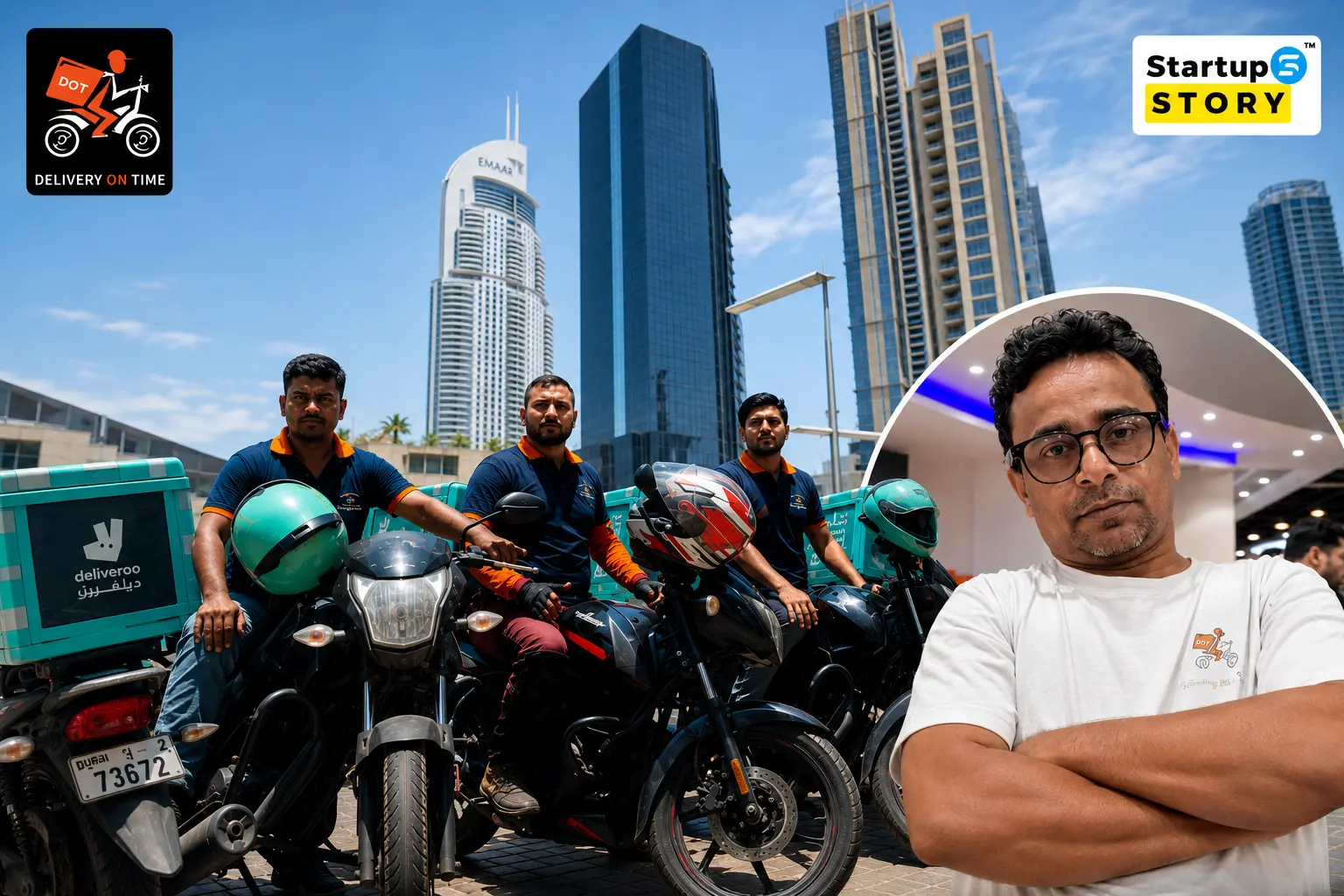
In 2020, as many businesses closed, Md Sanawar and Rias Parvin launched a service. With Kolkata under lockdown and supply chains faltering, grocery shelves often stood empty. The pair began Delivery On Time, starting with twenty riders who took grocery and essential orders via WhatsApp for neighborhoods lacking alternatives. No app, no external funding, just a commitment to deliver what people needed, promptly and reliably.
Sanawar’s background in logistics began earlier. Leaving school, he worked as a gig rider for Blue Dart in 2017, learning the trade one delivery at a time. That experience revealed the industry’s weak points and gave Delivery On Time an intuition for solving problems others overlooked.
By 2021, after the strictest lockdown eased, the founders spotted another need while making essential deliveries: home bakers lacked a dependable way to transport delicate items like cakes and gift boxes across the city. Though the bakery sector is worth billions, its products are fragile— a beautifully decorated cake can be ruined by a pothole or a sharp turn, and once damaged it cannot be repaired en route. As Sanawar noted, a baker’s love and effort are wasted if the cake arrives smashed, turning a celebratory occasion into disappointment.
To protect fragile goods, Delivery On Time adjusted its operation rather than adding a new app feature. Each fragile‑item shipment now includes two people: a rider focused on driving and a pillion agent whose sole task is to keep the load steady. Customers can request a photo on arrival, sent directly from the agent to the baker, confirming that what left the kitchen is exactly what reached the doorstep. This small change addressed a trust issue the industry had long tolerated.
While building its reputation for cake delivery, the company simultaneously developed a larger EV‑focused last‑mile logistics arm serving e‑commerce, quick‑commerce, and food‑delivery partners needing fleet capacity without owning vehicles. Today Delivery On Time operates roughly 650 electric vehicles, sourced through partnerships with firms like Ola Electric and a network of 10‑20 local suppliers renting two‑wheelers. Fast‑charging infrastructure is integrated, maximizing uptime and reducing delays. About 400 of these EVs run in Kolkata, with the remainder split between Siliguri and Delhi. Beyond its own fleet, the firm taps a broader gig network of over 48,000 riders—mixing electric and petrol vehicles—across India, giving partners on‑demand delivery capacity without the need to build their own fleets.
Looking ahead, the founders envision expanding the EV fleet and creating opportunities for women home‑based bakers to earn income on their own terms. Discussions include a possible IPO and a five‑year revenue target of 900 crore. These figures matter less as proof of current success than as indicators of how far the venture can grow.
At its core, the motivation remains unchanged since 2021: the same instinct that once placed a second rider beside a cake to prevent it from tipping now scales to serve the nation’s last mile. From twenty riders and a WhatsApp line to a fleet of 650 electric vehicles and a network of nearly fifty thousand riders, Delivery On Time believes it can bridge the gap between a perfectly delivered cake and a public listing—one delivery at a time.