In a Neglected Startup Market, These College Founders have Built 3Cr Company to Fix Jammu & Kashmir’s Labour Chowk System
3 min read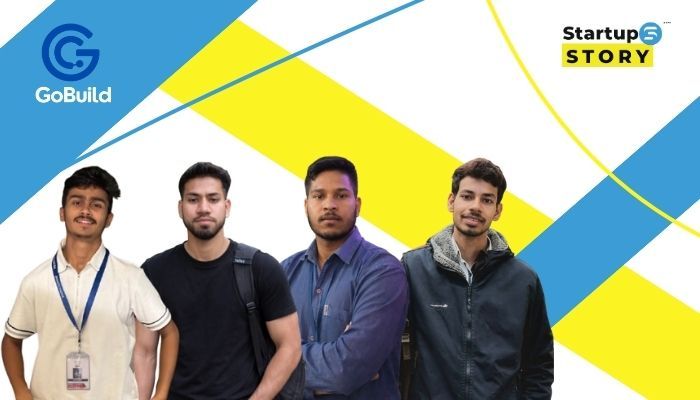
Rewritten Content:
Labor Dignity Through Digital Innovation
At dawn, a familiar scene unfolds at labor hubs across countless Indian cities. Skilled workers—masons, painters, electricians—wait patiently on sidewalks by 7 AM, hoping contractors will offer daily assignments. This precarious routine involves no contracts, inconsistent pay, and frequent disappointment, as many return home jobless.
A student-led initiative recognized this systemic inefficiency and launched GoBuild—a platform redefining India’s informal labor economy. While peer ventures chase viral apps, this team targeted the overlooked “labor chowk” model, a cornerstone of urban infrastructure plagued by unpredictability.
Beyond Unemployment: A Flawed Framework
For GoBuild’s creators, the issue struck close to home. They witnessed migrant workers from Uttar Pradesh, Bihar, and beyond sacrificing family time to seek unstable income in distant cities. These skilled professionals faced exploitation, erratic wages, and disrespect despite their expertise. Simultaneously, homeowners grappled with unreliable services, safety concerns, and no accountability mechanisms. The challenge wasn’t scarcity of jobs, but a fractured ecosystem desperate for restructuring.
Digitizing Labor Access
GoBuild transforms this informal sector through a demand-driven platform that:
- Verifies worker credentials and skills
- Displays real-time availability
- Connects laborers directly with homeowners
- Ensures transparent pricing and accountability
Workers gain:
Dignity, predictable income, structured opportunities, and skill recognition.
Homeowners benefit:
Vetted professionals, dependable service, and safety assurances.
The platform injects fairness into a chaotic, decades-old system—prioritizing equity over mere transactional efficiency.
Execution Over Optics
Despite being college students, the founders prioritized on-ground impact over fundraising pitches. Their traction includes IIT Jammu incubation, JKEDI recognition, and angel investment—culminating in a ₹3 crore valuation. Current milestones:
- 3,000+ certified workers across Jammu & Kashmir
- 500+ completed service jobs
- ₹20+ lakhs in facilitated earnings
Operational in Jammu, Katra, and Srinagar, demand surges daily for cleaning, repairs, and construction services—proof of their lean, problem-focused approach.
Systemic Change, Not Just Profit
GoBuild’s vision transcends business metrics: to become India’s most trusted platform for blue-collar work. Their roadmap includes:
- Eliminating roadside uncertainty for laborers
- Building homeowner confidence through verified services
- Leveraging tech to dignify—not just automate—labor
City by city, they’re scaling while upholding core values: reliability, fairness, and respect.
Why This Matters Now
As India advances toward economic leadership, millions of blue-collar workers—the backbone of urban infrastructure—remain excluded from formal stability. True progress demands bridging this divide. While tech and AI dominate headlines, transformative impact lies in repairing foundational systems that affect daily livelihoods.
Initiatives like GoBuild confront urgent questions:
- Can GDP growth coexist with laborers waiting indefinitely on pavements?
- Shouldn’t “development” ensure consistent dignity before celebrating unicorns?
The future of work won’t be written in corporate boardrooms alone. It’s unfolding on streets where skilled workers still wait—for jobs, justice, and recognition.
Originally published February 10, 2026